If you think any more than 0.1% of these physical books would ever have ended up in antique bookstores, you’re dreaming.
Think about how many books out there are things like Donald Trump’s biography, or pointless drivel from non-experts, self-help books that tell people to down “essential oils”, old editions of programming books, or just plain shitty fiction that never sold much in the first place.
Why would they scan that stuff though? That kind of mass market (human made) slop is easily available in digital form. We know the AI companies have engaged in mass digital piracy, including running massive torrenting operations. So if a digital copy exists, they probably already have it. And even if they have to buy it, purchasing an ebook is a lot cheaper than buying a physical one, shipping it, paying someone to scan it, etc.
I would think the old, the out-of-print, the rare, and never-before digitized are the only things worth buying and physically scanning in 2026. Everything else has already been scanned or was born digital-native.
Legal reasons: When you “purchase” an ebook you’re actually just licensing it and nearly all ebook licenses exclude the ability to do anything with the ebook other than read it yourself.
They could get a commercial license to get big ebook libraries like Anthropic did, but they can’t, really, because Anthropic paid for an exclusive license. Which means that if other AI companies want to compete, they sort of have to buy books in bulk and tear them apart to scan them.
True, but irrelevant. Why would they care at all about the terms of a license? Again, they’ll happily engage in outright mass torrenting. Their legal theory is that using works to train LLMs is simply fair use. The ebook sellers may disagree, but it won’t stop them.
Haha: What you state is logical and reasonable. That position would be easy to defend, if the legal system around copyright made sense.
Unfortunately, it isn’t a logical system. You’re trying to apply copyright law—which has now been ruled on in court, officially making training AI with copyrighted material Fair Use.
The problem is that the issue with ebooks is all about contract law. Not copyright.
When you “purchase” an ebook (which is a misnomer), you’re actually signing a legally binding contract. A license, in effect, to use that copyrighted work for the sole purpose outlined in the contract. That outlined purpose expressly forbids using the work for anything other than you—the purchaser—reading it (usually on the platform they specify).
Having said that, many, many court rulings have found numerous license clauses like that to be unenforceable. That is, just because it’s written in the contract, doesn’t mean it’s legal.
The courts have ruled—thanks to everyone’s efforts fighting the MPAA, RIAA, Sony, Microsoft, and Nintendo in the 1990s and early 2000s—that everyone does have the legal right to “platform shift” whatever copyrighted works they own.
To get around that, those very same entities tried to use the Digital Millennium Copyright Act’s rules about circumventing “copyright protection mechanisms” to try to make it illegal for people to platform shift their stuff anyway. That is, they added trivial encryption to all their platforms.
But it’s even more complicated than that! Because Congress gave the Librarian of Congress the power to say when it’s legal to circumvent such “copyright protections.” For example, technologies that aid the blind (I.e. gotta decrypt that file for the program to read it out loud).
There’s other exceptions and everyone fights to get more added whenever it comes up.
The key takeaway, though is that none of this complicated mess applies to physical books! So there ya go 😁👍


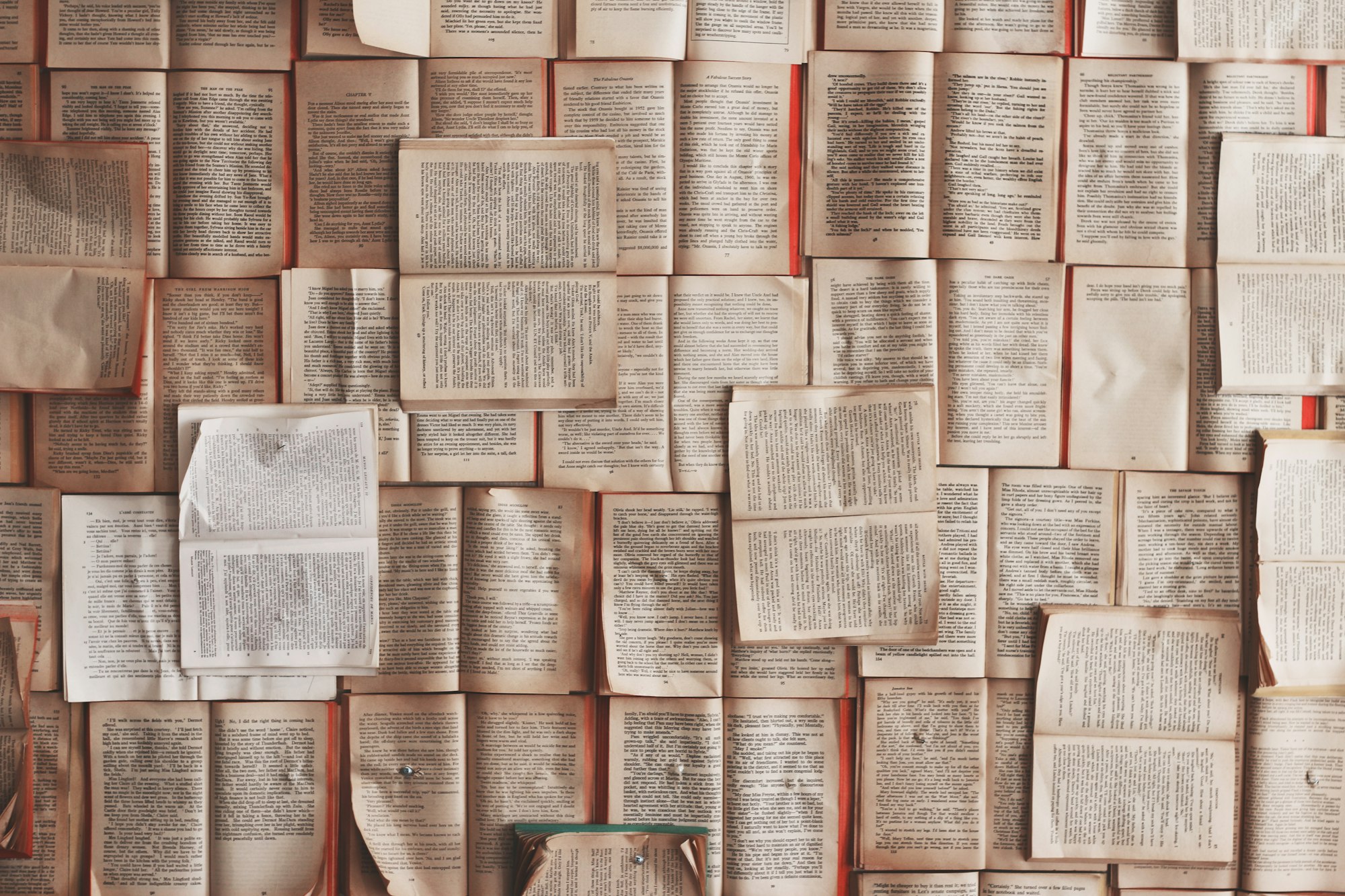
When they destroy the physical copy they remove them from the antique stores market which often rely on circulation.
Edit: Also physical copies don’t require electricity, a device and internet access plus they are something you can own.
If you think any more than 0.1% of these physical books would ever have ended up in antique bookstores, you’re dreaming.
Think about how many books out there are things like Donald Trump’s biography, or pointless drivel from non-experts, self-help books that tell people to down “essential oils”, old editions of programming books, or just plain shitty fiction that never sold much in the first place.
It’s ok to throw trash away! Really!
Why would they scan that stuff though? That kind of mass market (human made) slop is easily available in digital form. We know the AI companies have engaged in mass digital piracy, including running massive torrenting operations. So if a digital copy exists, they probably already have it. And even if they have to buy it, purchasing an ebook is a lot cheaper than buying a physical one, shipping it, paying someone to scan it, etc.
I would think the old, the out-of-print, the rare, and never-before digitized are the only things worth buying and physically scanning in 2026. Everything else has already been scanned or was born digital-native.
Legal reasons: When you “purchase” an ebook you’re actually just licensing it and nearly all ebook licenses exclude the ability to do anything with the ebook other than read it yourself.
They could get a commercial license to get big ebook libraries like Anthropic did, but they can’t, really, because Anthropic paid for an exclusive license. Which means that if other AI companies want to compete, they sort of have to buy books in bulk and tear them apart to scan them.
True, but irrelevant. Why would they care at all about the terms of a license? Again, they’ll happily engage in outright mass torrenting. Their legal theory is that using works to train LLMs is simply fair use. The ebook sellers may disagree, but it won’t stop them.
Haha: What you state is logical and reasonable. That position would be easy to defend, if the legal system around copyright made sense.
Unfortunately, it isn’t a logical system. You’re trying to apply copyright law—which has now been ruled on in court, officially making training AI with copyrighted material Fair Use.
The problem is that the issue with ebooks is all about contract law. Not copyright.
When you “purchase” an ebook (which is a misnomer), you’re actually signing a legally binding contract. A license, in effect, to use that copyrighted work for the sole purpose outlined in the contract. That outlined purpose expressly forbids using the work for anything other than you—the purchaser—reading it (usually on the platform they specify).
Having said that, many, many court rulings have found numerous license clauses like that to be unenforceable. That is, just because it’s written in the contract, doesn’t mean it’s legal.
The courts have ruled—thanks to everyone’s efforts fighting the MPAA, RIAA, Sony, Microsoft, and Nintendo in the 1990s and early 2000s—that everyone does have the legal right to “platform shift” whatever copyrighted works they own.
To get around that, those very same entities tried to use the Digital Millennium Copyright Act’s rules about circumventing “copyright protection mechanisms” to try to make it illegal for people to platform shift their stuff anyway. That is, they added trivial encryption to all their platforms.
But it’s even more complicated than that! Because Congress gave the Librarian of Congress the power to say when it’s legal to circumvent such “copyright protections.” For example, technologies that aid the blind (I.e. gotta decrypt that file for the program to read it out loud).
There’s other exceptions and everyone fights to get more added whenever it comes up.
The key takeaway, though is that none of this complicated mess applies to physical books! So there ya go 😁👍
At least digital storage prices have only been going down in recent months, right? /s
Good luck reading by candle light.
I guess you must live in that part of Alaska where it’s night time for half the year and don’t have daylight.
More just the part of Alaska where I work most of the daylight hours and get my reading in before bed.
My light bulb is bigger than yours!