Yes, but also they already have a fuck ton of road infrastructure, so this is also good. The transition takes time and this will lower co2 faster than waiting the 30 years it would take to get the infrastructure in place to reduce car usage enough to impact co2 emissions.
I have to ask, if it really takes 30 years to get infrastructure in place to reduce car use (it doesn’t, but for the sake of argument), then shouldn’t we be starting on it, like, yesterday? Where are all of those efforts? Are EVs really just a stop-gap measure?
If, for whatever reason, you could only choose to do one, then yes public transit infrastructure should be the priority. This might be surprising, but I’m not involved in Mexican politics, so I can’t comment on why those efforts aren’t occurring. My guess would be car-centric propaganda is wide-spread there just like it is in the states.
My 30 years comment isn’t how long it takes to get a town, community, or even a city to embrace car-antagonistic infrastructure. That’s more like 5-10 years for a majorityof transport use to change. I meant how long it takes to turn a nation to majority non-car transit.
No, I don’t think EVs are being deployed as a stop-gap here. It’s definitely an attempt to capitalize on the EV market gap that American automakers are leaving wide-open. That doesn’t mean it isn’t still good, just not the better solution.
In the United States, we are choosing to do just one. There’s no serious effort to transition away from private automobiles as the default (or only) transportation option. It’s still easier, politically, to demolish private property to expand a freeway than it is to remove on-street parking for a bike lane. It’s going to be even harder to transition after several decades of more automobile infrastructure expansion, and consequent land-use patterns, especially if EVs (and especially especially self-driving) making driving cheaper and more convenient.
Mexico City, though, has an extensive public transit network including buses, BRT, light-rail, and private transit services. But similar economic behavior applies. If EVs make driving cheaper than it is now, it becomes more appealing compared to those transit options, and people will drive more, and the transition away from private cars will get that much more difficult. And if the Mexican government doesn’t explicitly tie adoption of these new, low-cost EVs to the elimination of ICE cars, pollution may just get worse as the ICE cars get sold down the line to less-affluent people.
There’s precedent for this. Mexico City once tried to reduce emissions by imposing a scheme allowing drivers with even-numbered registration plates to enter the city on even-numbered dates, and odd-numbered plates on odd-numbered dates. It failed, and smog got worse, as people just held on to their old, more-polluting cars when they bought a new ones, so they could drive one or the other every day.
In short, cheap EVs like this might be good for the Mexican economy in the short term, but they’re going to increase private car use, which might even increase CO2 emissions.
Yes but Rome wasn’t built on a day. I can see this state-owned company growing into the public transport market later down the line so it’s a great foundational piece. Like any public transport project will require importing it, and due to pressure by the US, the most efficient companies, which are Chinese, are facing a lot of backlash.
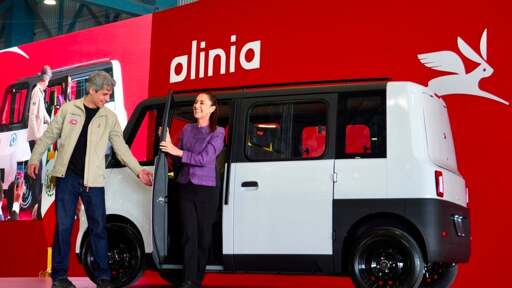
Mexico is also facing a big political crisis, thanks in big part to the US, every other public infrastructure project has been sabogated by pro-american media, from Tren Maya to the CDMX airport to PEMEX refineries to fertilizer manufactures, so it’s not a good time for big public projects. I think it’s small but focused projects like Olinia can be a better option at rhis conjuction.
Ugh this comment again. Seems like every article like this has people in the comments who are disconnected from reality.
instead
EVs and public transit are not mutually exclusive. Investing in EVs is less expensive and gives more-immediate results. You’re suggesting everyone just toughs it out for a decade or more.
This comment again because it’s correct. The speed of building out public transit is a political problem, not a technical one. People don’t switch to EVs for high-minded environmental reasons, they switch because they’re cheaper to run. And if they’re cheaper, the Jevons Paradox means that people will drive a lot more. We’ll double down on car infrastructure, and all of the other environmental destruction it brings.
EVs will not save us, and if the goal is public transit and human-oriented cities, we need to just build public transit and human-oriented cities. The political and legacy infrastructure barriers are only going to get bigger in the EV future.
You’re so right. Blanketing the country in transit infrastructure could happen in a day if it weren’t for those pesky politicians! And everyone would immediately use it and there would be no more ICE cars on the road. My bad.
Who said anything about a day? Obviously, it takes time, but we have to start, and transitioning away from electric cars is not going to magically be any easier than ICE cars.


Invest in public transport instead. It will be of a much bigger benefit to all.
They are also doing that.
Why not both? The Mexican State would do well making an EV bike, then EV car, then EV bus, then EV train
Yes, but also they already have a fuck ton of road infrastructure, so this is also good. The transition takes time and this will lower co2 faster than waiting the 30 years it would take to get the infrastructure in place to reduce car usage enough to impact co2 emissions.
I have to ask, if it really takes 30 years to get infrastructure in place to reduce car use (it doesn’t, but for the sake of argument), then shouldn’t we be starting on it, like, yesterday? Where are all of those efforts? Are EVs really just a stop-gap measure?
If, for whatever reason, you could only choose to do one, then yes public transit infrastructure should be the priority. This might be surprising, but I’m not involved in Mexican politics, so I can’t comment on why those efforts aren’t occurring. My guess would be car-centric propaganda is wide-spread there just like it is in the states.
My 30 years comment isn’t how long it takes to get a town, community, or even a city to embrace car-antagonistic infrastructure. That’s more like 5-10 years for a majorityof transport use to change. I meant how long it takes to turn a nation to majority non-car transit.
No, I don’t think EVs are being deployed as a stop-gap here. It’s definitely an attempt to capitalize on the EV market gap that American automakers are leaving wide-open. That doesn’t mean it isn’t still good, just not the better solution.
In the United States, we are choosing to do just one. There’s no serious effort to transition away from private automobiles as the default (or only) transportation option. It’s still easier, politically, to demolish private property to expand a freeway than it is to remove on-street parking for a bike lane. It’s going to be even harder to transition after several decades of more automobile infrastructure expansion, and consequent land-use patterns, especially if EVs (and especially especially self-driving) making driving cheaper and more convenient.
Mexico City, though, has an extensive public transit network including buses, BRT, light-rail, and private transit services. But similar economic behavior applies. If EVs make driving cheaper than it is now, it becomes more appealing compared to those transit options, and people will drive more, and the transition away from private cars will get that much more difficult. And if the Mexican government doesn’t explicitly tie adoption of these new, low-cost EVs to the elimination of ICE cars, pollution may just get worse as the ICE cars get sold down the line to less-affluent people.
There’s precedent for this. Mexico City once tried to reduce emissions by imposing a scheme allowing drivers with even-numbered registration plates to enter the city on even-numbered dates, and odd-numbered plates on odd-numbered dates. It failed, and smog got worse, as people just held on to their old, more-polluting cars when they bought a new ones, so they could drive one or the other every day.
In short, cheap EVs like this might be good for the Mexican economy in the short term, but they’re going to increase private car use, which might even increase CO2 emissions.
Yes but Rome wasn’t built on a day. I can see this state-owned company growing into the public transport market later down the line so it’s a great foundational piece. Like any public transport project will require importing it, and due to pressure by the US, the most efficient companies, which are Chinese, are facing a lot of backlash.
Mexico is also facing a big political crisis, thanks in big part to the US, every other public infrastructure project has been sabogated by pro-american media, from Tren Maya to the CDMX airport to PEMEX refineries to fertilizer manufactures, so it’s not a good time for big public projects. I think it’s small but focused projects like Olinia can be a better option at rhis conjuction.
Ugh this comment again. Seems like every article like this has people in the comments who are disconnected from reality.
EVs and public transit are not mutually exclusive. Investing in EVs is less expensive and gives more-immediate results. You’re suggesting everyone just toughs it out for a decade or more.
This comment again because it’s correct. The speed of building out public transit is a political problem, not a technical one. People don’t switch to EVs for high-minded environmental reasons, they switch because they’re cheaper to run. And if they’re cheaper, the Jevons Paradox means that people will drive a lot more. We’ll double down on car infrastructure, and all of the other environmental destruction it brings.
EVs will not save us, and if the goal is public transit and human-oriented cities, we need to just build public transit and human-oriented cities. The political and legacy infrastructure barriers are only going to get bigger in the EV future.
You’re so right. Blanketing the country in transit infrastructure could happen in a day if it weren’t for those pesky politicians! And everyone would immediately use it and there would be no more ICE cars on the road. My bad.
Who said anything about a day? Obviously, it takes time, but we have to start, and transitioning away from electric cars is not going to magically be any easier than ICE cars.
Not mutually exclusive endeavors.
No, but we’re not doing one of them.