In the United States, we are choosing to do just one. There’s no serious effort to transition away from private automobiles as the default (or only) transportation option. It’s still easier, politically, to demolish private property to expand a freeway than it is to remove on-street parking for a bike lane. It’s going to be even harder to transition after several decades of more automobile infrastructure expansion, and consequent land-use patterns, especially if EVs (and especially especially self-driving) making driving cheaper and more convenient.
Mexico City, though, has an extensive public transit network including buses, BRT, light-rail, and private transit services. But similar economic behavior applies. If EVs make driving cheaper than it is now, it becomes more appealing compared to those transit options, and people will drive more, and the transition away from private cars will get that much more difficult. And if the Mexican government doesn’t explicitly tie adoption of these new, low-cost EVs to the elimination of ICE cars, pollution may just get worse as the ICE cars get sold down the line to less-affluent people.
There’s precedent for this. Mexico City once tried to reduce emissions by imposing a scheme allowing drivers with even-numbered registration plates to enter the city on even-numbered dates, and odd-numbered plates on odd-numbered dates. It failed, and smog got worse, as people just held on to their old, more-polluting cars when they bought a new ones, so they could drive one or the other every day.
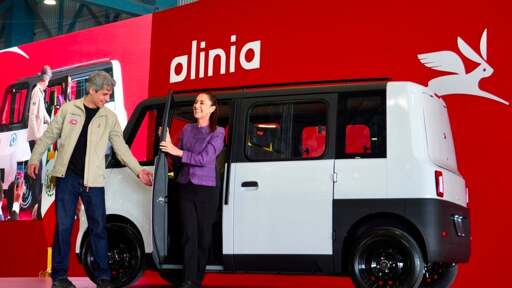
In short, cheap EVs like this might be good for the Mexican economy in the short term, but they’re going to increase private car use, which might even increase CO2 emissions.


In the United States, we are choosing to do just one. There’s no serious effort to transition away from private automobiles as the default (or only) transportation option. It’s still easier, politically, to demolish private property to expand a freeway than it is to remove on-street parking for a bike lane. It’s going to be even harder to transition after several decades of more automobile infrastructure expansion, and consequent land-use patterns, especially if EVs (and especially especially self-driving) making driving cheaper and more convenient.
Mexico City, though, has an extensive public transit network including buses, BRT, light-rail, and private transit services. But similar economic behavior applies. If EVs make driving cheaper than it is now, it becomes more appealing compared to those transit options, and people will drive more, and the transition away from private cars will get that much more difficult. And if the Mexican government doesn’t explicitly tie adoption of these new, low-cost EVs to the elimination of ICE cars, pollution may just get worse as the ICE cars get sold down the line to less-affluent people.
There’s precedent for this. Mexico City once tried to reduce emissions by imposing a scheme allowing drivers with even-numbered registration plates to enter the city on even-numbered dates, and odd-numbered plates on odd-numbered dates. It failed, and smog got worse, as people just held on to their old, more-polluting cars when they bought a new ones, so they could drive one or the other every day.
In short, cheap EVs like this might be good for the Mexican economy in the short term, but they’re going to increase private car use, which might even increase CO2 emissions.