

Two weeks ago, I was in surgery. Twenty-four hours later, I was released from the hospital and headed home. I felt much better and was happy to get to take a walk with the dog, hang out with my partner, chat over dinner, and watch an episode of an old British mystery series before getting my first real sleep in a week in our own bed.
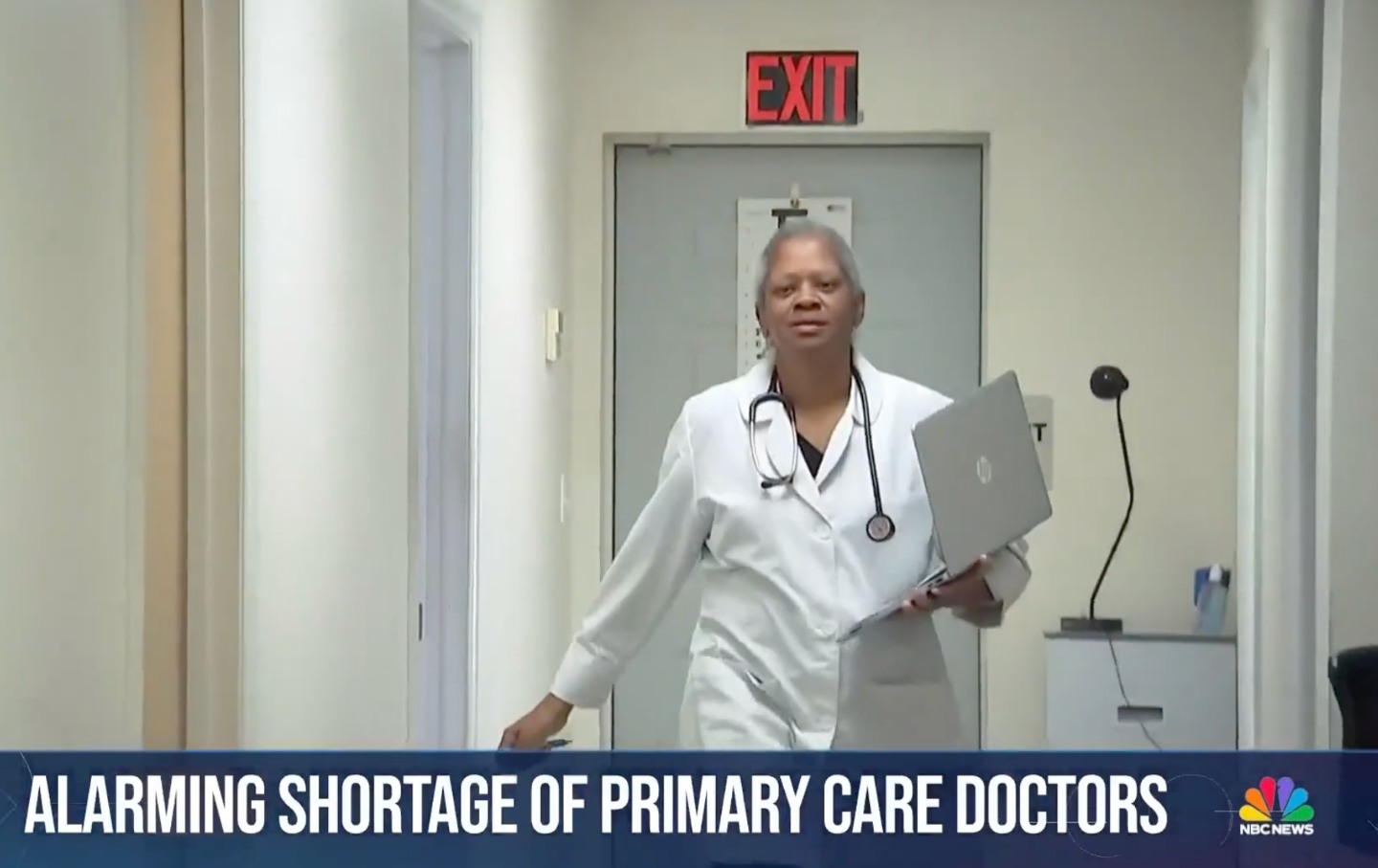
This was thanks to the miracles of modern medicine. But it was no thanks to modern American healthcare, which, as I know from my recent experience, is fundamentally broken.
What I realized after leaving the hospital is that I was on my own. My care was coordinated while I was an inpatient, with primary care hospitalists managing a set of three different kinds of specialists; out in the real world, such coordination barely exists. My new condition is apparently chronic, so to get my ongoing follow-up care together, I am making appointments with specialists, arranging tests and scans, and generally being an “impatient patient” trying to fight my way to get what I need. But still, it’s an uphill battle. The system is sclerotic, and trying to get appointments, even for things I have been told are urgent, is a challenge. Getting the different specialists to talk to each other? That’s tomorrow’s struggle.
And I’m someone who has it good. I encountered people during my week in the hospital who would be released with far graver medical complications, far fewer resources, and far more obstacles facing them outside of the ward, from housing insecurity to substance use. I also have a bevy of friends who are physicians in the same healthcare system that cared for me, who can help me when things go awry. My privilege is enormous compared to most people facing down American healthcare in crisis.
It’s insane. We have so much wealth in this country that there is no excuse for how bad our healthcare system is. Its atrocious and getting worse every day.