

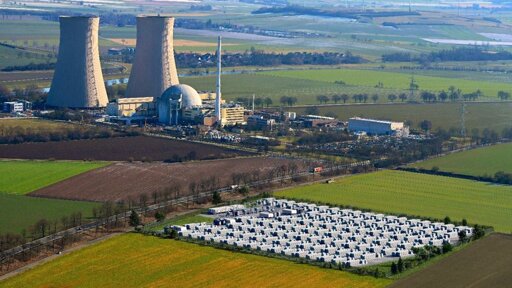
In 2021, the Grohnde nuclear power plant in Lower Saxony on the Weser River was shut down. Now, immediately next to it, the Emmerthal energy cluster is growing with three very large battery storage systems, ground-mounted photovoltaic systems, and a new substation for several 380-kilovolt high-voltage lines.
This is pretty much what the German government did. Which the exception of afaik two plants which were near their design lifespan, all the others were scheduled for decomissioning because of being over their intended lifespan already.
These were really old plants based on outdated designs, being both increasingly insecure and uneconomic due to their age.
The operators themselves were in favour of shutting them down.
True, because unlike the brown coal plants, who could just pump CO2 and particulate into the air without problem, the nuclear plants actually had to pay for the full lifecycle. Fossil plants don’t have to. Hell, they windmills don’t have to pay for decommissioning in advance, despite the low cost of that.
That’s rather unfair. It’s like saying the had to throw away my car because the tires were worn out. They could have been overhauled and stayed in use.
Somewhat in agreement with the first point, but not at all with the second. Most of these nuclear power plants are half a century old and had been overhauled already to the very limit of what was economically feasible. Continued operation would have meant building new reactor blocks next to them and decomissioning the existing ones.
Half a century is barely getting on in nuclear power terms… Were German plants especially poorly built?
Do Germans actually care about reactor safty instead of burying their head in the sand like other nations with super old nuclear power plants like to do?