
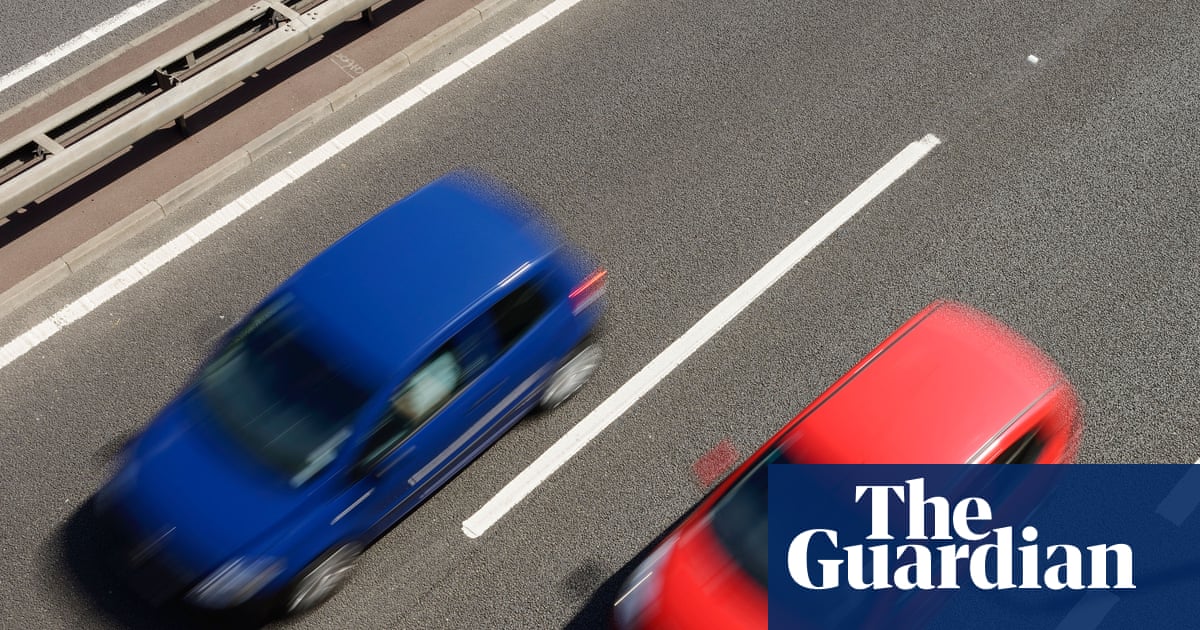
Those who use the bike know this very well: in the city, speeding motorists overtaking other cars, only get one thing: they arrive first to the next red.
With a simple model, the author estimated the probability that one car that overtakes another, will then be reached again at a later red light. Then he estimated the probability that the same thing will happen when there are multiple successive traffic lights, as usual in the cities.
The result is that as fast as an aggressive driver goes, the presence of multiple traffic lights makes it virtually certain that a slower driver will catch up
So, if someone aggressively overcomes you, when you reach him at the next traffic light, you can tell him that it is mathematically proven that he/she is an idiot.
In addition, this study has implications for the 30 km/h city, demonstrating how in urban areas the traffic lights determine the travel times, not the maximum speed reachable between one traffic light and the next.
The original scientific article is here: https://royalsocietypublishing.org/rsos/article/13/4/260310/481212/The-Voorhees-law-of-traffic-a-stochastic-model
crossposted from: https://poliversity.it/users/rivoluzioneurbanamobilita/statuses/116419204210303856
Yeah but what about when you leave the city and you just happen to pass that one car that wants to do 30 in a 60 on a straight road. Worth.
No red lights in the country. After you pass that slow car it ain’t got no way of catching up to you.
Oh but now you passed me!? I’m going to accelerate to 75! Driving in the US is awesome.